Police radio scanner guides for your county. Know what you're hearing.
Live police radio feeds where they exist, the radio system your county actually uses, and an honest answer on whether you can still hear the police there. Every guide on this site is checked by hand, county by county, and we say plainly when we have not verified a county yet.
New in November
Five new guides, written for the questions listeners actually ask: how to listen online, what scanner to buy, what encryption means, apps versus a real radio, and how to find your county frequency.
Why this site exists
Most scanner pages are copy and paste templates with a recording that plays on loop. We think listeners deserve better.
You buy a scanner, program it, and hear nothing.
Usually the radio system went digital, moved to Phase II, or went encrypted, and nobody told you. Every guide here starts with that question: can you still hear it, and with what?
fake "live" players or made-up listener counts. Live audio here is real.
county guides published, each one checked by hand.
sources cited so far, from county governments to CISA.
Latest county guides
Freshly researched and dated.
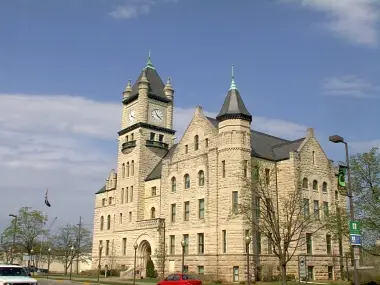 Police encrypted, fire and medical openDouglas County, KansasDouglas County Emergency Communications · P25 Phase IIRead the guide →
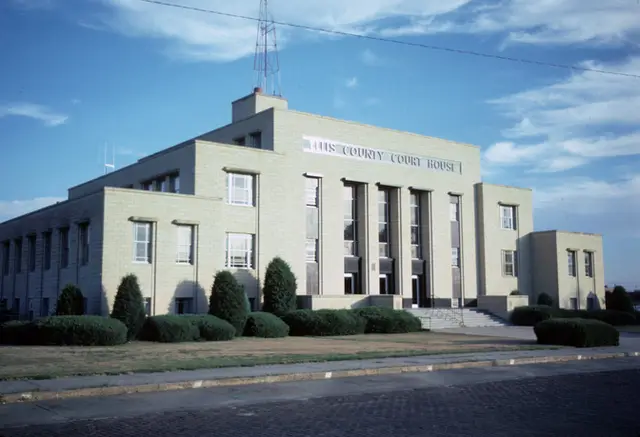 Police, fire and EMS encryptedEllis County, KansasEllis County public safety radio · P25 Phase IIRead the guide →
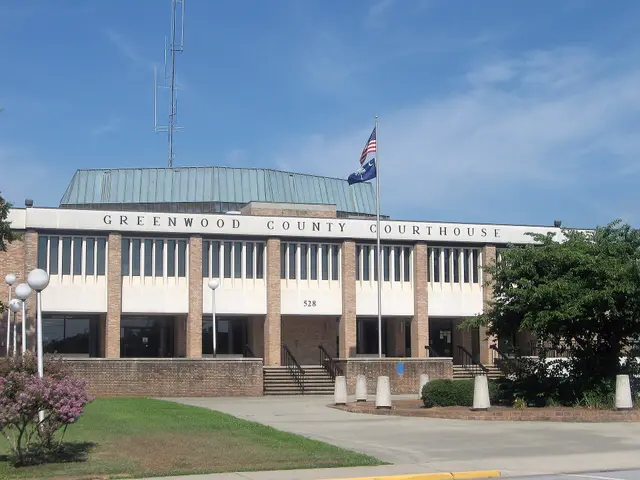 Police encrypted, fire and EMS openGreenwood County, South CarolinaGreenwood County public safety radio · P25 Phase IIRead the guide →
Browse by state
More states are added as each county guide is researched.
How a county guide gets made
The short version of our methodology.
Find the system
We identify the radio system each agency really uses, from county IT pages, FCC licenses and RadioReference.
Check what's audible
We compare public feeds and encryption reports to see what you can actually hear today.
Cite it and date it
Every page lists its sources and the date we last checked. If something changes, we update it.
Encryption at a glance
Built from our verified county guides, so the numbers update as we add counties.
Main police dispatch in the 139 counties we've verified
- Encrypted 99 (71%)
- Partly open 22 (16%)
- Open 18 (13%)
of verified counties have encrypted main police dispatch.
counties where at least one fire department is still open.
counties checked by hand, each with dated sources.
Where police radio is still open
Counties in our guides where police or sheriff dispatch can still be heard. Each guide has the details and live feeds.
How American police radio went dark
A dated timeline from our county guides. Every entry links to the guide with its sources. See every county in the encryption tracker.
Fort Wayne police and fire encrypt with a $17 million radio upgrade.
Lancaster County police go dark after commissioners approve encryption.
Omaha police encrypt and stream dispatch on a 15-minute delay.
Boise and every Ada County police agency encrypt on November 19.
Boston police encrypt, with a free feed about five minutes behind.
Bryan, College Station and Texas A&M police encrypt without notice.
Grand County, Colorado encrypts police, fire and EMS, citing AI scanner apps.
Cities with a delayed public police feed
Some departments that encrypted still publish their radio, just late. Good for following what happened, not for reacting in real time.
How far behind each delayed police feed runs
Minutes behind real time. Lincoln no longer publishes its exact delay; 10 minutes was the starting point.
| City | Delay | Guide |
|---|---|---|
| Boston | About 5 min | Read the guide |
| Lincoln, NE | 10 min or more | Read the guide |
| Omaha | 15 min | Read the guide |
| Baltimore | 15 min | Read the guide |
| Chicago | 30 min | Read the guide |
| Bend, OR | 30 min | Read the guide |
Three ways to listen
Which one works depends on what your local agencies use.
A scanner at home or in the car
The most reliable way to hear unencrypted traffic, including fire and EMS. Most of the US now needs a digital model that decodes P25 Phase II.
A live feed online
Volunteers stream open channels for many counties. Each county guide lists the feeds we have checked, and you can host one that plays right on our pages.
An official delayed feed
A growing number of encrypted cities publish their own feed on a delay, from about five minutes in Boston to 30 in Chicago.
What you can hear on a scanner
Police are only part of it. Even where police have encrypted, a scanner usually still has plenty to follow.
| Service | What it sounds like | Usually open? |
|---|---|---|
| Police and sheriff | Dispatch calls, traffic stops, pursuits, officers checking in | Varies a lot |
| Fire | Tone-outs, units assigned, "working fire" and extra alarms | Most places |
| EMS | Ambulance dispatch and hospital coordination | Often |
| Aviation | Airport towers, approach control, pilots | Yes |
| Rail and marine | Train crews and dispatchers, harbor and Coast Guard traffic | Yes |
| Weather | NOAA Weather Radio forecasts and warnings | Yes |
Listen responsibly
A few rules every scanner listener should follow.
Don't go to the scene
Crowds slow down responders and put people at risk. Several departments cited onlookers as a reason they encrypted.
Keep personal details private
Names, addresses and medical details go out over the air. Don't repost them. Sharing them is one of the main reasons agencies give for going dark.
Wait for confirmation
Early radio traffic is often wrong, and AI alert apps make it worse. In 2026 one turned a Waco police training drill into a fake shooting report.
Is a police scanner legal?
Short answer: yes, at home, everywhere in the US.
Owning a scanner and listening to unencrypted public safety radio is legal in all 50 states, and you don't need a license. What varies is the car. Five states restrict police radios in vehicles, usually with exemptions for licensed amateur radio operators and some others. Everywhere, using a scanner to help commit a crime is a separate offense, and transmitting on public safety channels is illegal.
Read the full scanner laws by state guide.
Questions people ask
Straight answers, based on what we've found researching county radio.
What is a police radio scanner?
A police radio scanner is a receiver that steps through programmed frequencies or talkgroups and stops on any that are active, so you can hear police, fire and EMS dispatch. Older analog scanners only hear analog channels; most US agencies now use digital P25 systems, which need a digital scanner.
Is it legal to listen to a police scanner?
Yes, in every US state it is legal to own a scanner and listen to unencrypted public safety radio at home, and no license is needed. Five states (Florida, Indiana, Kentucky, Minnesota and New York) restrict scanners in vehicles, with exemptions such as licensed amateur radio operators.
Why can't I hear my local police anymore?
Usually one of three things happened: the agency moved to a digital P25 system your scanner can't decode, it moved to P25 Phase II and your scanner only handles Phase I, or it encrypted. No consumer scanner can decode encrypted traffic.
Why are so many police departments encrypting?
Most point to the FBI's Criminal Justice Information Services (CJIS) Security Policy, which requires protected information such as criminal histories to be encrypted when sent by radio, along with officer safety and the privacy of victims and witnesses. Some states, such as Michigan, set audit deadlines in 2026.
Can I still hear fire and EMS?
Very often, yes. Most agencies that encrypt police leave fire dispatch in the clear. A few, like Grand County, Colorado and Lee County, Florida, encrypted fire and EMS as well.
What scanner should I buy?
For most of the US, a digital scanner that decodes P25 Phase II is the safe choice, because it also handles Phase I and analog. Use our scanner finder to check a model against a specific county.
Can I listen to police online instead of with a scanner?
Where agencies are still unencrypted, volunteer feeds stream them online. Some encrypted cities, including Boston, Omaha, Baltimore and Chicago, publish their own delayed public feeds.
New to scanning? Start with police 10 codes and P25 Phase I vs Phase II.